How Often Should I Get My Furnace Serviced?
Las Vegas furnaces work hard in winter, leading to dust buildup that can cause failures. Schedule annual maintenance to prevent issues. A tune-up includes combustion analysis and carbon monoxide testing. Don't wait for the cold—ensure your furnace runs efficiently!
—Furnace Maintenance Las Vegas: How Often Should I Get My Furnace Serviced?
Do You Need It?
Las Vegas furnaces have a strange life. They run hard for a few weeks in December and January, idle through a handful of cool mornings on either side, and then sit untouched for eight months while the air conditioning does all the work and the desert quietly fills the cabinet with dust.
01The short answer
Once a year, before the heating season — ideally September through November. That holds in Las Vegas the same as it does anywhere colder, because the failures here are caused by sitting idle and collecting dust, not by heavy runtime.
That idle stretch is the whole problem, and it is why furnace maintenance in Las Vegas matters even in a city that barely uses heat. A furnace that ran fine last February has spent most of the year as a large, warm box for dust, spiders and the occasional rodent, and the first night it is asked to fire is the night you find out. The U.S. Consumer Product Safety Commission recommends having a qualified professional inspect fuel-burning appliances yearly at the start of the heating season, and most furnace manufacturers require documented annual professional maintenance to keep the equipment warranty valid.
02If you have a heat pump, the answer is different
A lot of valley homes have a heat pump rather than a gas furnace — often as part of a rooftop package unit. A heat pump is the same machine doing your cooling and your heating, which means it does not get an off-season. Those want two visits a year: one in the spring before cooling season and one in the fall before heating season. If you are not sure which one you have, a technician can tell you in about thirty seconds, and so can the data plate on the unit.
03Why once a year, when it barely runs here?
The Las Vegas failure pattern is specific, and it is not wear:
- Dust on the burners and flame sensor. Fine desert dust settles on the burner assembly and coats the flame sensor. A dirty flame sensor cannot prove flame to the control board, so the board shuts the gas valve off a few seconds after ignition. This is far and away the most common no-heat call we get on the first cold night, and it is usually a cleaning, not a part.
- Hot surface igniters that fail cold. Igniters are brittle and they tend to fail on the first cycle after a long rest, not mid-season.
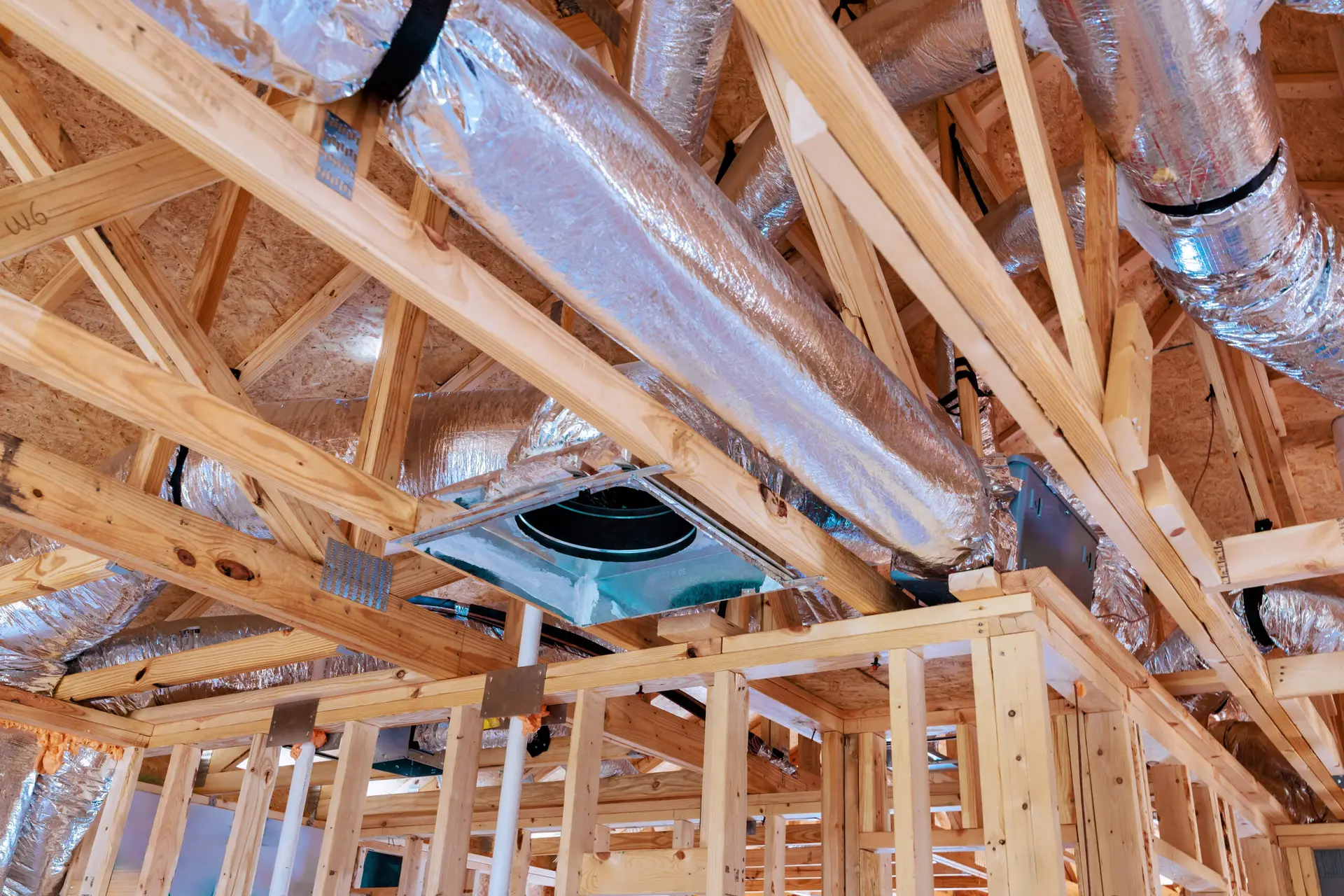
- Rooftop package units are exposed. Many valley homes have the whole system on the roof. That means the heat exchanger, burners and venting spend the summer at 150°F-plus in direct sun and blowing grit, and cabinet seals, gaskets and insulation degrade faster than they do in an attic installation.
- Rodents and insects nest in idle rooftop cabinets and in flue passages. It is not rare and it is not a small problem — a partially blocked flue is a combustion safety issue.
- Clogged filters from AC season. Your filter did nine months of hard work cooling the house. If it is loaded going into heating season, the furnace will run hot and may trip its high-limit switch, short-cycling until something quits.
04What an actual tune-up includes
There is a real difference between a furnace tune-up and a filter change with a clipboard. A proper heating inspection should include:
- Combustion analysis — an analyzer in the flue, measuring the actual products of combustion, not a look at the flame color
- Carbon monoxide testing in the flue and in the living space
- Heat exchanger inspection for cracks, rust-through and separation
- Burner and flame sensor cleaning, plus igniter resistance check
- Gas pressure verification — manifold and inlet, against the data plate spec
- Blower motor amp draw and wheel cleanliness
- Venting and flue inspection for blockage, corrosion and proper draft
- Safety control testing — high limit, rollout switch, pressure switch
- Temperature rise measurement across the heat exchanger, checked against the manufacturer’s range
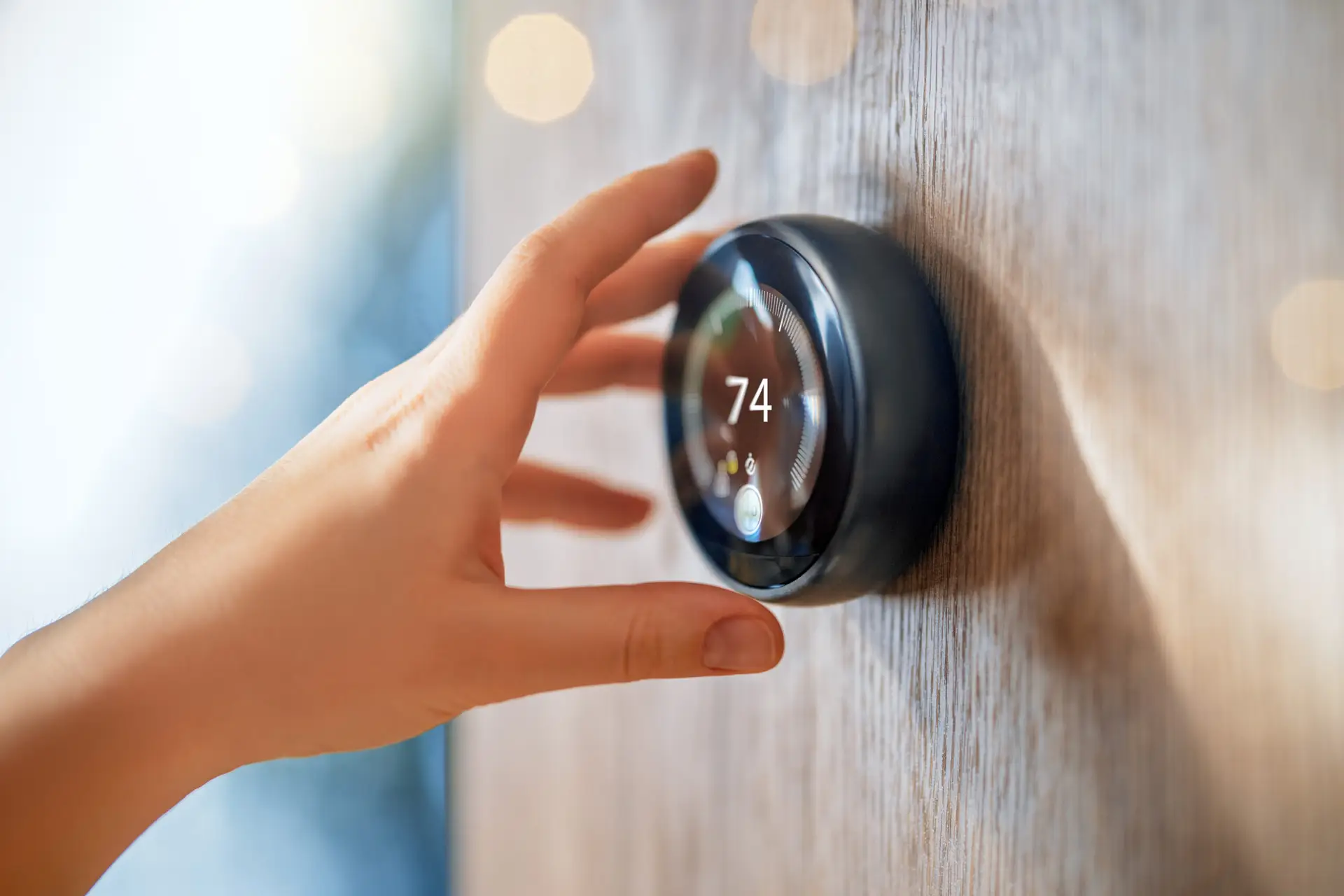
- Thermostat operation and heat sequence
- Filter condition and correct size and direction
Ask for the numbers. A tune-up that produces readings — gas pressure, temperature rise, CO in parts per million, blower amps — is a tune-up. One that produces only the phrase “system operating normally” may not have measured anything. If a company advertises a very cheap tune-up and is in and out in fifteen minutes, you did not get the list above.
Related Service: Air Conditioning Repair and Installation
05What your warranty probably says
This one costs people real money. Most major HVAC manufacturers require proof of annual professional maintenance to keep the equipment warranty in force. If a heat exchanger or a control board fails inside the warranty period and you cannot show maintenance records, the manufacturer can deny the claim and you pay for the part.
So keep the invoices. A folder or a photo of each year’s paperwork is enough. If you are on a maintenance plan, the records are generally kept for you — worth asking about.
Call before your scheduled service if you notice:
- A yellow, lazy or flickering burner flame where it should be crisp and blue
- Soot or rust streaks around the vent or cabinet
- A booming or rumbling sound at ignition rather than a smooth light-off
- Short cycling — the furnace lights, runs briefly, shuts off, repeats
- Rooms that never reach temperature while the unit runs continuously
- A burning smell that persists past the first ten minutes of the first burn of the season
- Any rise in humidity or condensation on windows during heating, which can indicate a combustion problem
And one that is not a maintenance question at all: if a carbon monoxide alarm sounds, get everyone out of the house first, then call 911 or the gas company from outside. Do not go looking for the source, and do not wait to see if it stops. If you do not have CO alarms on every level of the home, that is a twenty-dollar fix worth making today.
06The best time to book in Las Vegas
September and October. Two reasons, and the second one is the honest one:
- It gets the furnace checked before you need it, which is the entire point of preventative maintenance.
- Everyone in the valley calls on the same three cold nights in December. When the first real cold snap hits, every HVAC company in town goes from routine scheduling to triage, and a tune-up appointment turns into a three-day wait for a no-heat call. Booking in the fall is simply the difference between choosing your appointment time and taking whatever is left.
If your system is more than about fifteen years old, the fall visit is also the right time to have an honest conversation about replacement timing — on your schedule and your budget, rather than on the coldest night of the year.
—Schedule your furnace service
Prestige Mechanical services residential and commercial heating throughout the Las Vegas valley. To get on the fall schedule before the first cold snap, call 702-867-5389